Choosing among the 2026 best IPL hair removal devices requires more than comparing prices, flashes, or glowing reviews. Safe results depend on skin tone compatibility, hair color, device settings, and consistent use. This guide explains how to use an IPL hair removal device at home safely, using practical steps supported by manufacturer instructions and professional dermatology guidance. A small patch test matters. Redness, warmth, or discomfort can reveal whether the intensity is too high.
Read the user manual carefully before treating your legs, underarms, or bikini line. Shave the area first, clean and dry the skin, then place the device flat against it. Avoid moles, tattoos, irritated skin, recent tanning, and areas with cuts or rashes. Never flash near the eyes unless the device specifically allows it. Wear suitable eye protection when the instructions require it. Many home devices include skin sensors, but sensors are not perfect. Do not rely on technology alone.
Expect gradual reduction, not instant removal. Most users need repeated sessions over several weeks, followed by maintenance treatments. Darker hair often responds better than blonde, gray, or red hair because IPL targets pigment. Results can differ between body areas and individuals. Hormonal changes may also affect regrowth. A careful routine helps, but it cannot guarantee salon-like results. Stop treatment if you experience blistering, severe pain, or lasting discoloration, and seek qualified medical advice. This guide also examines comfort, speed, cooling features, replacement costs, and the honest limitations behind popular 2026 IPL devices.
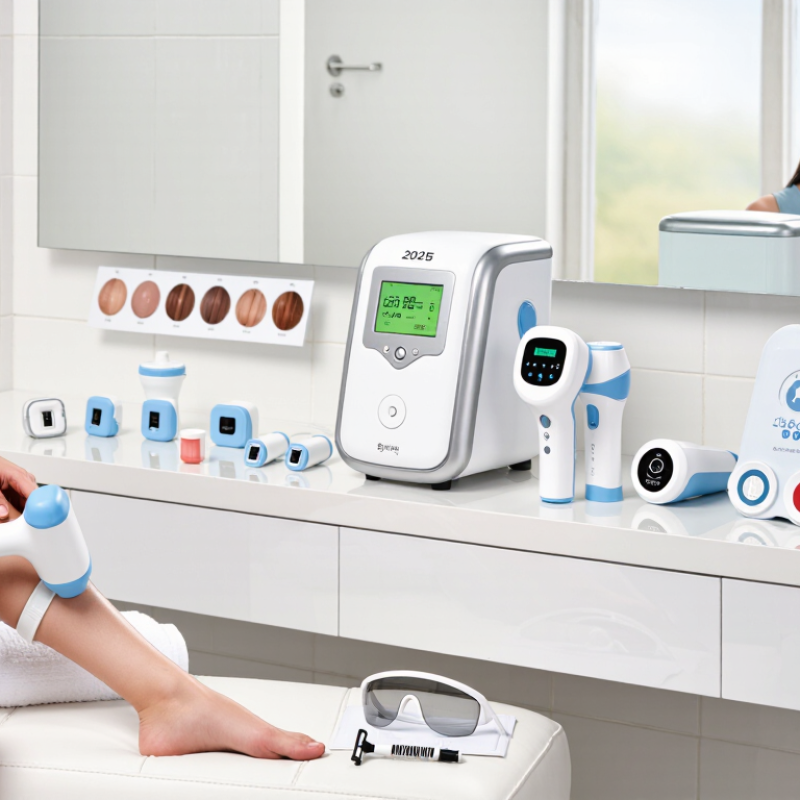
IPL hair removal uses broad-spectrum light to target melanin in the hair shaft. The absorbed light becomes gentle heat. That heat weakens the follicle and slows future growth. IPL works best during the active growth phase. Hair does not grow in one shared cycle, so repeated sessions matter. Results are gradual, not instant.
An effective device delivers consistent energy across the treatment window. Skin-tone sensors can reduce unsuitable flashes and improve control. Adjustable intensity is useful for sensitive areas. Cooling surfaces may make each pulse more comfortable. A larger window speeds up legs, while a smaller head improves precision around the face. In 2026, smarter sensors may help personalise settings, but software cannot replace careful skin assessment.
Clean, dry skin is essential. Shave visible hair before treatment, rather than waxing it away. Test a small patch and wait for a reaction before treating a larger area. Avoid the eyes, tattoos, dark marks, and irritated skin. Follow the device instructions closely. More flashes do not mean faster results. I have found that patience is often harder than the treatment itself. Some users stop too early, then assume IPL failed. A few stubborn hairs may remain, and maintenance sessions can still be necessary.
Choosing the best IPL hair removal device starts with skin tone and hair color, not advertising claims. IPL targets melanin, so dark brown or black hair usually responds better than blonde, red, grey, or white hair. The American Academy of Dermatology Association states that several sessions are commonly needed, often two to six, with maintenance treatments possible.
Read the device’s skin-tone chart carefully. A built-in tone sensor can reduce unsafe flashes, but it is not a substitute for medical advice. People with very dark skin may face a higher risk of burns or pigment changes because the surrounding skin absorbs more light. The U.S. Food and Drug Administration also distinguishes hair reduction from permanent hair removal. That wording matters.
Check the energy settings, cooling design, treatment window, and replacement-lamp information. A 2023 systematic review in Lasers in Medical Science reported that home-use light-based devices can reduce hair growth, but study methods and results varied. Evidence is promising, not perfect. Perform a small patch test first, then wait 24 hours. Avoid tanned skin, irritated areas, tattoos, and recently waxed skin. Shaving is generally preferred before treatment. Wear eye protection when the instructions require it. Do not flash repeatedly over one spot.
A practical mistake is choosing maximum intensity immediately. Lower settings may be safer and more comfortable. Consistency beats impatience, although results can differ greatly between users. If medication, pregnancy, or a skin condition raises concerns, consult a qualified dermatologist before treatment.
| Selection or Safety Factor | Realistic Data or Range | Best Practical Choice | Safe-Use Guidance |
|---|---|---|---|
| Light technology | Intense Pulsed Light (IPL) uses a broad, non-coherent light spectrum rather than a single laser wavelength. | Choose a device with a skin-contact sensor, adjustable intensity, and a clear treatment schedule. | Use only on areas and skin tones approved in the device instructions. IPL is not suitable for every user. |
| Wavelength and filters | Many home IPL systems emit approximately 510–1200 nm and use filters to limit lower or higher wavelengths. | Prefer a device with a dedicated facial filter and a body-treatment filter when both are included. | Do not use a body setting on the face unless the manufacturer specifically permits it. Avoid the eyes, eyelids, eyebrows, and the area immediately around the eyes. |
| Energy fluence | Common home IPL output is roughly 2.5–6.5 J/cm², although the usable range varies by model and treatment mode. | Choose adjustable levels rather than a single fixed output. | Start at the lowest comfortable level after a patch test. Never increase the setting to compensate for missed areas or faster results. |
| Skin-tone compatibility | IPL is generally most effective and safest on lighter skin tones, commonly Fitzpatrick I–IV. Darker skin contains more melanin that can absorb IPL energy and increase burn or pigment-change risk. | Select a device that clearly identifies compatible Fitzpatrick skin types and includes automatic skin-tone detection. | Do not use an IPL device on very dark brown to black skin unless a qualified clinician confirms that the specific device and setting are appropriate. |
| Hair color | Dark brown and black hair usually respond best because they contain more melanin. Light blonde, red, white, gray, and very fine hair may respond poorly or not at all. | Choose IPL primarily for dark hair on a compatible lighter skin tone. | Do not repeatedly increase energy when the hair has little pigment; this can irritate or injure the skin without improving results. |
| Hair thickness and treatment area | Coarse, pigmented hair often responds more readily than fine hair. Larger windows cover legs and arms faster; smaller precision windows suit the face and bikini line. | Choose a large treatment window for the body and a smaller attachment for precision areas. | Treat clean, dry, shaved skin. Do not flash repeatedly over the same spot during one session. |
| Skin-contact and tone sensor | A contact sensor should prevent or limit flashes when the treatment window is not fully against the skin. A tone sensor may reduce energy or block use on unsuitable tones. | Treat these sensors as essential safety features, not optional conveniences. | Never bypass, cover, or modify a sensor. Keep the sensor and treatment window clean. |
| Cooling and comfort | Most home devices provide passive cooling, contact cooling, or temperature control. A warm or snapping sensation can be normal; sharp pain is not. | Prefer cooling support and several intensity levels if you have sensitive skin. | Stop immediately for blistering, intense pain, severe swelling, or prolonged burning. Cool the area with a clean, cool compress and seek medical advice if symptoms persist. |
| Preparation before treatment | Shave the area, remove makeup and deodorant, and keep the skin free from oils, creams, and self-tanner. | Shaving is preferred because the hair root remains in place while surface hair is less likely to absorb light. | Avoid waxing, epilating, or plucking immediately before IPL because these methods remove the hair root targeted by the light. |
| Patch test | Test a small area at the intended setting and observe it for at least 24 hours, or follow the longer period stated in the instructions. | A patch test is required before the first full session and after major changes in skin color or product use. | Do not continue if significant redness, swelling, blistering, or persistent pain develops. |
| Treatment frequency | Many home routines begin weekly or every two weeks for several sessions, followed by maintenance treatments. Exact schedules vary by device. | Follow the supplied schedule rather than treating daily. | More frequent treatment does not necessarily produce faster reduction and can increase irritation. |
| Sun exposure and tanning | Recent tanning increases melanin in the skin and can raise the risk of burns or unwanted pigment changes. | Choose a device with clear sun-exposure restrictions and a reliable skin-tone sensor. | Avoid use on recently tanned or sunburned skin. Use broad-spectrum sunscreen and follow the device’s required waiting period after sun exposure. |
| Medical and medication precautions | Photosensitizing medicines, active skin disease, open wounds, and some medical conditions can increase adverse reactions. | Check the contraindications and consult a healthcare professional when medication or skin sensitivity is involved. | Do not use over tattoos, dark moles, suspicious lesions, active infections, or irritated skin. Cover small tattoos and pigmented lesions only if the instructions permit treatment around them. |
| Expected results | Hair grows in cycles, so reduction is gradual. Regrowth may become slower, finer, and less dense after repeated treatments. | Choose realistic long-term hair reduction rather than a promise of immediate or permanent removal. | Maintain the treatment schedule and stop if the skin reaction is abnormal. Results vary by hair color, thickness, hormones, and body area. |
| Best overall buying profile | Adjustable energy, skin-contact sensor, skin-tone sensor, suitable facial and body attachments, clear contraindications, and published treatment instructions. | A safety-focused, adjustable device matched to lighter compatible skin and naturally dark hair. | Read the full manual before use and follow the lowest effective setting, patch-testing, sun-protection, and maintenance requirements. |
Important: IPL is not appropriate for every skin tone, hair color, medical condition, or treatment area. Always follow the specific device instructions and seek professional advice when uncertain.
Before using an IPL hair removal device, check your skin and hair contrast carefully. IPL targets melanin, so very dark skin may absorb excessive light and increase burn or pigment-change risks. Very light blond, red, grey, or white hair may respond poorly. The American Academy of Dermatology warns that darker skin needs extra caution with light-based hair removal. The U.S. FDA also advises following device-specific warnings, especially for photosensitive medicines and skin conditions.
Test one small area first. Choose the inner forearm, clean and shave it, then use the lowest suitable setting. Wait 24 to 48 hours and inspect the skin for lasting redness, swelling, blistering, or unusual pain. Do not treat tanned, sunburned, irritated, tattooed, or wounded skin. Avoid waxing or plucking beforehand, because the follicle must remain present. Remove creams, deodorant, and perfume before treatment. Eye protection matters near the face.
Tips: Check the manual every time; memory is unreliable. Keep the treatment window flat against dry skin. A mild warm feeling can be normal, but sharp pain is not. Stop immediately if discomfort increases. Avoid sun exposure afterward and apply broad-spectrum SPF 30 or higher. I once considered skipping the patch test to save time. That shortcut was careless. A professional review published in Lasers in Medical Science also emphasizes screening, controlled energy, and post-treatment monitoring for safer IPL use.
Preparation guidance for a safer at-home IPL session: shave about 24 hours before treatment, avoid waxing or plucking for approximately 4 weeks, and avoid deliberate tanning or tanning beds for at least 14 days. Always check the device’s skin-tone compatibility chart, perform a patch test, and do not treat tanned, irritated, broken, or sunburned skin.
Using an IPL hair removal device safely starts with preparation, not the first flash. Check the manual for your skin tone, hair color, treatment areas, and safety limits. IPL usually works best on darker hair with lighter skin, but results vary. Avoid treating tattoos, dark moles, irritated skin, or areas near the eyes. Ask a qualified dermatologist before treatment if you have a skin condition, take photosensitizing medicine, or are pregnant.
Patch-test a small area and wait 24 hours. This step feels slow, but it can reveal unexpected irritation. Shave the area, then wash and dry it completely. Do not apply oil, perfume, deodorant, or numbing cream. Select the lowest comfortable intensity. Place the device flat against your skin, then release one flash. Move to the next section without repeatedly treating the same spot. Mild warmth or brief redness can happen. Sharp pain is not a useful target.
Follow the recommended schedule instead of adding extra sessions. More flashes do not guarantee faster results. Afterward, cool the skin with a clean cloth and avoid hot baths, intense exercise, tanning, and direct sunlight for the advised period. Use broad-spectrum sunscreen on exposed areas. I would not ignore persistent redness, blistering, swelling, or severe pain; stop treatment and seek medical advice. Results can be uneven, especially around hormonal hair growth. Take photographs under similar lighting, because memory is unreliable. Reassess your technique before increasing the intensity.
Safe IPL use begins with preparation, not the first flash. Read the device instructions carefully and check whether your skin tone and hair color are suitable. Shave the area gently. Do not wax or pluck beforehand, because IPL needs the hair root. Avoid sun exposure and tanning products for the recommended period. A small patch test can reveal unexpected irritation.
After treatment, your skin may feel warm or look slightly pink. This usually settles within a day or two. Apply a fragrance-free moisturizer and use broad-spectrum sunscreen on exposed areas. Avoid hot baths, saunas, vigorous exercise, and perfumed products for at least 24 hours. Do not scratch the treated skin, even if mild itching appears.
Tips: Use clean, dry skin and the lowest comfortable setting at first. Keep the light away from eyes, tattoos, dark spots, and broken skin. Never flash the same area repeatedly. Stop immediately if you notice blistering, intense pain, spreading swelling, or persistent redness, then contact a qualified healthcare professional. Even careful routines are not perfect. If your skin recently changed, wait and ask a dermatologist for guidance.
Broad-spectrum light targets melanin in the hair shaft. Absorbed light becomes gentle heat, weakening the follicle. Results take time.
Hair grows in different cycles, and IPL mainly affects active growth. Follow the recommended schedule. More flashes do not guarantee faster results.
IPL often works best on darker hair and lighter skin. Results vary with individual pigmentation and hair patterns. Assess carefully.
Shave visible hair and wash the area. Dry it completely. Avoid oil, perfume, deodorant, and numbing cream.
Yes. Treat a small area and wait 24 hours. Unexpected redness can appear later. Do not guess.
Choose the lowest comfortable intensity. Place the device flat against clean, dry skin. Flash once, then move to the next section.
Keep flashes away from the eyes, tattoos, dark marks, moles, and broken skin. Avoid irritated areas. Sharp pain is not a useful target.
Mild warmth, brief redness, or slight itching may occur. These effects often settle within one or two days. Use a fragrance-free moisturizer.
Avoid hot baths, saunas, intense exercise, tanning, and perfumed products for the advised period. Use sunscreen on exposed skin. Keep it gentle.
Stop if blistering, severe pain, spreading swelling, or persistent redness develops. Contact a qualified healthcare professional. My technique may need review.
This guide explains how IPL hair removal works in 2026 and what makes a device effective, including suitable light intensity, skin-tone detection, cooling features, and consistent treatment performance. It also shows how to choose a device according to your skin tone, hair color, treatment area, comfort needs, and safety features. Before each session, check the device’s compatibility guidance, avoid recently tanned or irritated skin, remove hair from the surface, and clean and dry the treatment area.
You will learn how to use an IPL hair removal device at home safely, from selecting the correct intensity and placing the treatment window properly to following a regular schedule without repeatedly flashing the same spot. The guide also covers aftercare, such as protecting treated skin from strong sunlight, avoiding irritating products, and monitoring temporary redness, warmth, or sensitivity. Clear warning signs are included so users know when to stop treatment and seek professional medical advice.
