Microdermabrasion machines can enhance your skincare routine. Proper sanitization is crucial for safety. This guide focuses on how to sanitize a microdermabrasion machine at home. A clean machine prevents skin irritation and infections. Regular maintenance shows you care about your skin health.
Most people overlook the need for adequate cleaning. Simple steps may seem tedious, but they ensure the equipment works effectively. You may feel uncertain about which cleaning agents to use. Choosing the right supplies is essential. Not all products are safe for every surface.
Understanding how to sanitize a microdermabrasion machine at home helps you achieve the best results. It empowers you to take charge of your skincare. You might encounter challenges along the way. However, take the time to learn the proper methods. This process enhances both your machine's performance and your skincare experience.
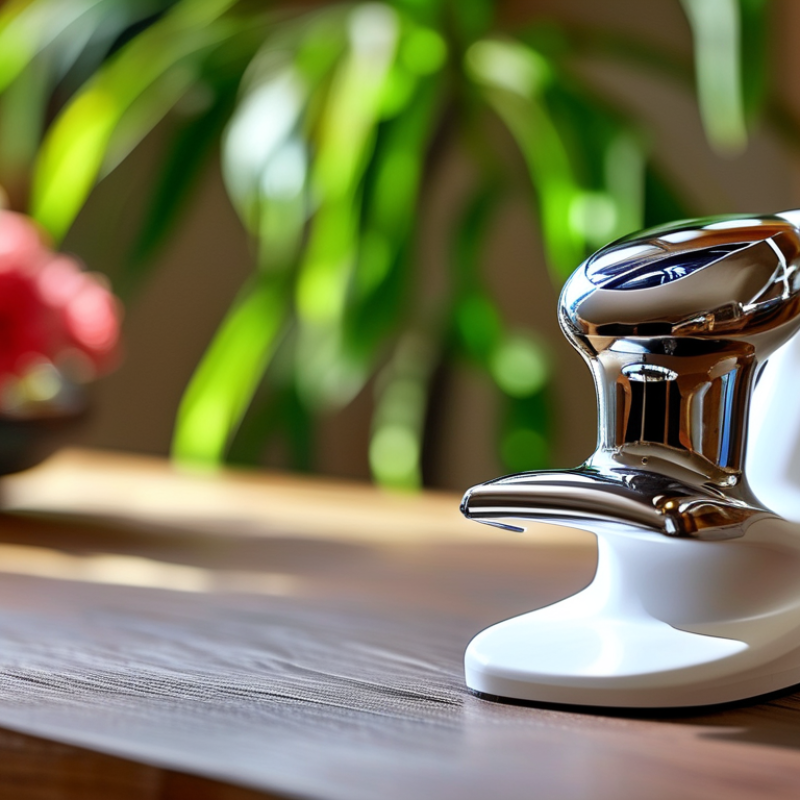
Keeping your microdermabrasion machine sanitized is crucial for skin health. Bacteria and dead skin cells can accumulate on the device, leading to infections and other skin issues. Regular cleaning protects your skin and enhances the effectiveness of the treatment. Trusting the sanitation process reflects a commitment to safe skincare.
To sanitize effectively, start with turning off and unplugging the device. Disassemble the attachments carefully. Use a solution of warm water and gentle soap to clean these parts. Rinsing thoroughly is essential, as residues may irritate the skin. For the machine's body, a soft cloth with disinfectant wipes works well. Ensure you get into all crevices, as any missed area can harbor harmful bacteria.
It’s easy to overlook minor details in the sanitization process. Many users might skip certain steps or not follow through with drying. Proper drying prevents mold growth, which is vital. Taking time to reflect on your sanitizing routine can enhance your skincare experience. Reinforce these practices, and your skin will thank you for it.
Sanitizing your microdermabrasion machine is crucial for maintaining skin health. To do this effectively, gather essential tools and supplies. Begin with isopropyl alcohol, which is an excellent disinfectant. Use gauze pads or lint-free cloths for application. They help ensure the surfaces are clean without leaving lint behind.
Don’t forget about using a soft brush to clean the small parts. Microfiber towels are also essential for rounding off any cleaning process. Hot water can assist in removing stubborn debris before the disinfectant is applied. However, too much heat can damage certain components. Always check your machine's manual for care instructions to avoid mistakes.
Take your time during the sanitization process. Rushing through can lead to missed spots or inadequate cleaning. It’s vital to ensure every part is addressed. Regular sanitization not only extends the life of your equipment but also protects your skin from potential irritants. Mistakes happen, and reflecting on your process can lead to improvement. Consider making a checklist to keep track of the steps and supplies used for future sessions.
Cleaning your microdermabrasion machine is essential for safe use. Start by unplugging the device. Remove all detachable components like the diamond tips. These tips require careful handling. Use a soft cloth to wipe them down. Avoid abrasive materials that could scratch the surface.
Prepare a cleaning solution using mild soap and warm water. Soak the components for a few minutes. This step helps to loosen any debris. Rinse thoroughly under running water. Ensure no soap residue remains. Allow them to air dry on a clean surface.
Regularly check the machine for any signs of wear. It’s easy to overlook small cracks or dirt buildup. Each part should remain functional and clean. If something looks off, consider replacing it. It’s better to prevent skin irritation than to deal with the aftermath. Stay consistent with this routine for optimal results. Your skin deserves the best care.
Properly disinfecting a microdermabrasion machine is crucial for effective and safe treatments. Before each use, start by wiping down all surfaces with medical-grade wipes. Ensure that the applicator tips are replaced or thoroughly cleaned. According to the American Spa Association, 85% of skin issues arise from improper sanitation practices. Regular maintenance is essential for both health and device longevity.
After each session, follow a strict protocol to disinfect. Use 70% isopropyl alcohol for thorough cleaning; it effectively kills bacteria and viruses. Pay special attention to hard-to-reach areas. The Journal of Clinical Aesthetic Dermatology emphasizes that a clean machine prevents cross-contamination. Allow components to dry completely before the next use. It is also vital to regularly inspect the machine for any signs of wear or damage. A compromised device may not only yield poor results but also pose health risks.
Finally, educate yourself on the sanitation guidelines provided by professionals. Keeping abreast of evolving best practices ensures client safety and trust. Reflecting on personal methods can highlight areas for improvement in your sanitation process. Even seasoned practitioners should seek fresh insights regularly.
When it comes to maintaining your microdermabrasion machine, proper storage and upkeep are crucial for longevity and effectiveness. Start by ensuring your device is completely dry before storing it. Moisture can lead to mold and deterioration. A dry, cool place is ideal. Avoid areas with high humidity.
**Tips:** Use a soft cloth to wipe the machine after each use. This prevents buildup of product residue. Store the device in a protective case to shield it from dust and debris. Regularly check for any signs of wear or damage. This proactive approach enhances the reliability of your equipment.
After sanitizing your machine, avoid stacking it with other tools. This can cause scratches or damage. Instead, allocate a dedicated space just for your microdermabrasion equipment. Regular maintenance checks will keep your machine in top shape. Just remember, neglecting these practices can lead to costly repairs or replacements.
| Sanitization Step | Description | Frequency | Storage Tips |
|---|---|---|---|
| Clean the Handpiece | Use a disinfectant wipe or solution to clean the handpiece thoroughly. | After each use | Store in a dry, clean area away from dust. |
| Sanitize Attachments | Soak attachments in a disinfectant solution as per the manufacturer’s instructions. | Weekly | Keep attachments in a sealed bag to prevent contamination. |
| Check Cords and Components | Inspect for any wear or damage to ensure functionality and safety. | Monthly | Store cords without knots to avoid damage. |
| Wipe Down the Machine | Use a microfiber cloth with a disinfectant to clean the machine’s exterior. | After each use | Keep in a cool, dry place to avoid moisture buildup. |
| Store Properly | Make sure all parts are dry before storing to prevent mold or bacteria growth. | Always | Use a dedicated storage space away from other implements. |
: It maintains skin health and protects against potential irritants. Regular sanitization extends your equipment's life.
Isopropyl alcohol is effective. It cleans surfaces without leaving residue behind.
Use gauze pads or lint-free cloths. They help ensure cleanliness without lint interference.
A soft brush, microfiber towels, and gauze pads are necessary tools. These help clean small parts effectively.
Store it in a dry, cool place. Moisture can lead to mold or equipment deterioration.
Ensure the device is completely dry before storing. Wipe it with a soft cloth after each use.
Neglect can lead to costly repairs or replacements. Regular checks enhance reliability.
Avoid stacking. It can cause scratches or damage. Use dedicated space for your equipment.
Take your time. Rushing leads to missed spots. Reflect on your process and consider creating a checklist.
Regular checks are crucial. Address any wear promptly to maintain equipment reliability and performance.
Sanitizing your microdermabrasion machine at home is essential for maintaining hygiene and ensuring optimal skin care results. Understanding the importance of sanitization is the first step, as proper cleaning protects against bacteria and contamination. Essential tools like disinfectant wipes and soft brushes will aid in the sanitization process.
To effectively clean your machine, follow a step-by-step guide focusing on each component, ensuring thorough disinfecting before and after each use. Adopting best practices during this routine will enhance the longevity of your equipment. Finally, storing your sanitized microdermabrasion machine correctly will help maintain its condition and efficacy. By following these guidelines, you will learn how to sanitize a microdermabrasion machine at home effectively and safely.
