Top 5 Reasons RF Skin Tightening Works for Wrinkles?
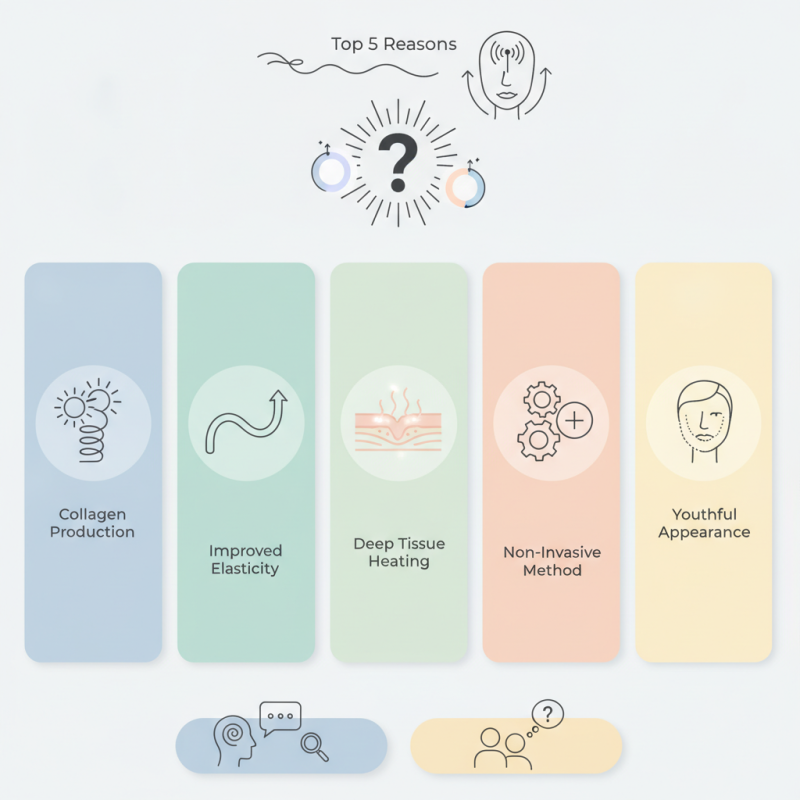
In recent years, RF skin tightening has gained popularity as a non-invasive method to reduce wrinkles. Many people wonder, "does RF skin tightening actually work for wrinkles?" Dr. Sarah James, a renowned dermatologist, emphasizes, "RF technology promotes collagen production, which helps improve skin elasticity." This statement captures the essence of RF skin tightening's appeal.
RF skin tightening utilizes radiofrequency energy to heat the deeper layers of the skin. By stimulating collagen and elastin fibers, it aims to create a firmer, more youthful appearance. However, results can vary among individuals. Some might achieve noticeable improvement, while others may not see significant changes. Factors such as skin type and age influence outcomes.
Many patients seek effective solutions for aging skin. They desire visible results without invasive surgery. It's crucial to set realistic expectations and understand that RF skin tightening may not be the silver bullet for everyone. Patients should consult with professionals to explore their options and share any concerns about treatment efficacy.
The Science Behind RF Skin Tightening and Its Effects on Collagen Production
RF skin tightening has gained attention for its ability to combat wrinkles. At its core, this treatment leverages radiofrequency energy to stimulate collagen production. Collagen is crucial for maintaining skin elasticity and firmness. As we age, our bodies produce less collagen, leading to sagging skin and wrinkles. RF technology aims to reverse this process by delivering heat to the deeper layers of the skin.
The science behind RF skin tightening involves a unique mechanism. The heat generated promotes increased blood flow and encourages cellular repair. This process not only promotes the production of new collagen but also enhances the existing collagen network. Many users report noticeable improvements in skin texture after several sessions. However, individual results can vary widely. Some people experience minimal changes, prompting a conversation about their expectations.
While RF treatments show promise, they are not a miracle solution. Factors like age, skin type, and lifestyle greatly influence outcomes. There are cases where the treatment may not meet user expectations. This discrepancy highlights the importance of managing expectations before undergoing RF skin tightening. Understanding the science behind it can lead to informed decisions about seeking this type of treatment.
FAQS
: RF skin tightening uses waves to produce heat in deep skin layers. This promotes collagen production, enhancing skin elasticity.
Many patients report a 30% improvement in skin tightness after a few sessions. Visible changes often occur within weeks.
No, results vary based on skin type, age, and overall health. Some may see minimal effects or need more sessions.
Minor discomfort may occur. It's important to discuss any concerns before starting the treatment.
Long-term studies show continued skin improvement over time. Many patients appreciate smoother, youthful skin.
Unique skin types react differently to RF therapy. Custom plans help address individual needs and enhance satisfaction.
Consulting with professionals can clarify potential outcomes. Understanding variability can help set realistic goals.
Collagen is crucial for skin elasticity. RF treatments boost its production, leading to firmer skin over time.
While generally safe, there may be discomfort or mixed results. It's vital to consult qualified professionals for guidance.
Continued research helps refine techniques and address different patient responses. This can improve overall treatment effectiveness.
Conclusion
RF skin tightening has emerged as a popular solution for addressing wrinkles, backed by a solid scientific foundation regarding its effectiveness. The procedure primarily stimulates collagen production through radiofrequency waves, which are proven to enhance skin elasticity and firmness. Clinical evidence supports the efficacy of RF technology in significantly reducing the appearance of wrinkles, making it a viable option for those seeking non-invasive anti-aging treatments.
Moreover, a comparative analysis highlights RF skin tightening's advantages over traditional methods such as fillers or surgical options, particularly in terms of safety and recovery time. Patient satisfaction rates indicate positive long-term results, further reinforcing the question: does RF skin tightening actually work for wrinkles? Overall, the combination of scientific backing, clinical evidence, and patient feedback showcases RF skin tightening as a compelling treatment for wrinkle reduction.
